
Originally published in the Theology Thursday Newsletter, Sept. 11, 2025 (Issue 7): Why does God let bad things happen to good people?
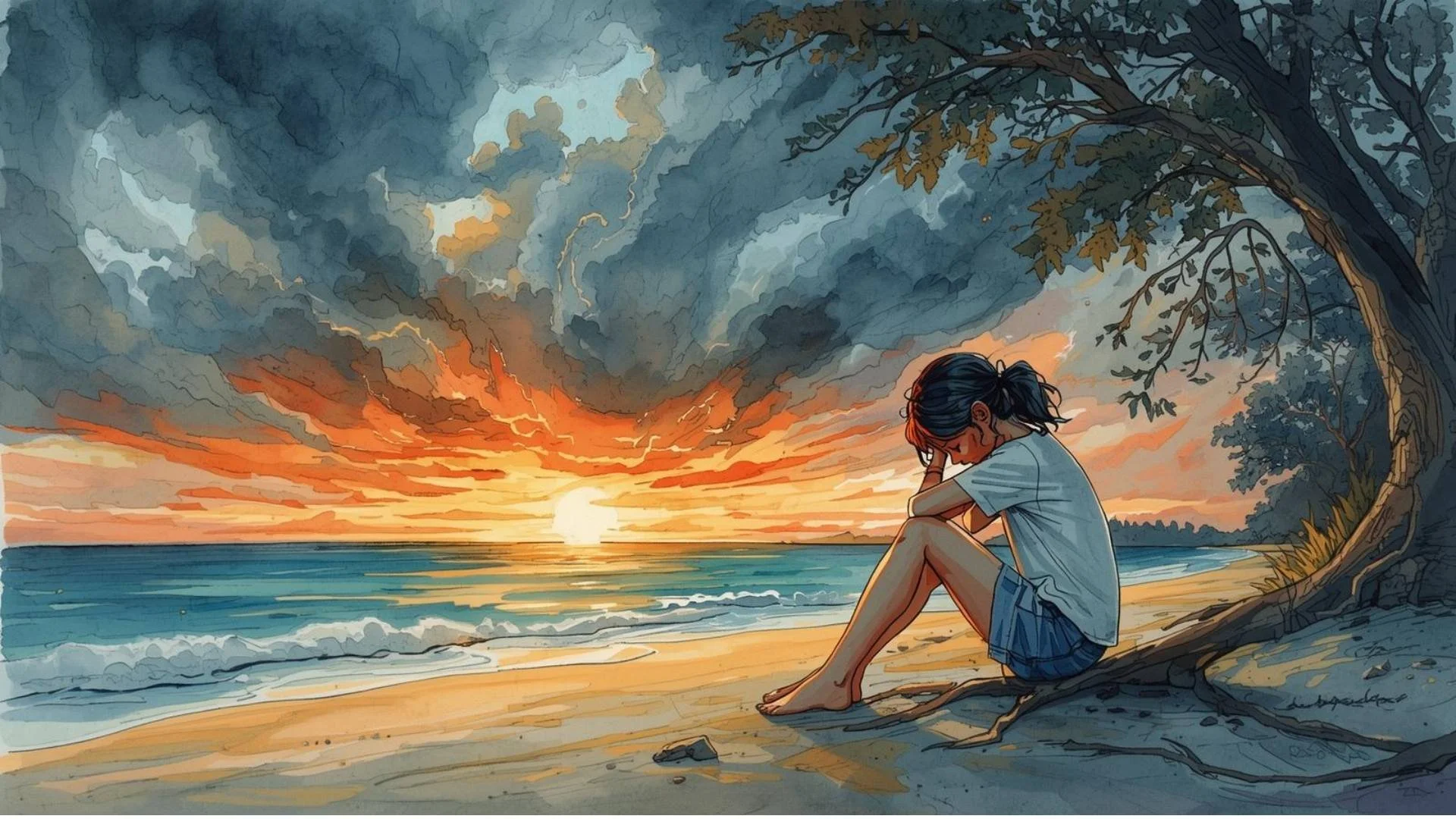
Let’s stabilize the question with three core truths within traditional Christianity.
Creator God is sovereign and has the control to do whatever He wants within the cosmos.
Due to a broken covenant at creation between God and Adam and Eve, sin has entered the world, affecting humanity.
Christian theology reminds us that God is loving and good and does not come to steal, kill, or destroy; that’s the enemy's work.
Important note: For the case of this article today, the word “bad” is anything that the all-knowing, all-powerful God has allowed this fallen world to claim temporary authority over. This “bad” doesn’t pertain to human-made struggles brought about by poor choices.
The Old Testament shares an ethical dilemma in Genesis 50:18-20. Joseph’s own brothers betrayed him and sold him into slavery. Fast forward: Joseph’s out, he’s free, and life looks a whole lot different. Then, after their dad Jacob dies, the brothers show up nervous, wondering if Joseph will still forgive them. They even offer to be his slaves. Totally a twist, right?
And here’s how Joseph answers:
His brothers also came and fell down before him and said, “Behold, we are your servants.” But Joseph said to them, “Do not fear, for am I in the place of God? As for you, you meant evil against me, but God meant it for good, to bring it about that many people should be kept alive, as they are today. So do not fear; I will provide for you and your little ones.” Thus he comforted them and spoke kindly to them. - Genesis 50:18-21 (ESV)
Suffering and Understanding God’s Sovereignty
As Joseph’s brothers partnered with evil, disasters arose beyond Joseph’s control.
Joseph responds to the trial by saying, “Am I in the place of God?” (v19).
Earlier in the bible, this same phraseology is cross-referenced in Gen. 30:2. Jacob and Rachel [soon-to-be Joseph’s parents] face discouragement within their circumstances. Jacob says, “Am I in the place of God, who has withheld from you the fruit of the womb?” Their response suggests that they recognize their judgment does not prevail over their difficult circumstances. They are not God.
In the creation story I mentioned earlier (truth 2), humans rejected God’s design and chose self-autonomy, while creating their own ethics and morals. God intended people to be image-bearers who freely depended on Him—not to be their own gods. So, the idea that “God lets bad things happen to good people” is theologically flawed. It comes from a fallen human perspective, where people claim the right to define morality and judge circumstances as good or bad. I know, this is super philosophical, so hang tight.
The idea that “God lets bad things happen to good people” overlooks the bigger perspective. Instead of seeing God as uninvolved or uncaring, He’s given us an invitation to trust Him as the One who is present with us, even in suffering, and who ultimately redeems what is broken. Trials and suffering offer a placeholder for the ultimate trust exercise. Which leaves me wondering if a better worded version of today’s question should be, “Is my out-of-control world surrendered to a very-much-in-control God?”
Suffering Extends an Invitation to Turn Toward God
Joseph says, “What was meant for evil, God means for good” (v.20). That line is such a powerful reminder that God can take what’s broken and weave it into something beautiful. This isn’t just Joseph’s story; it’s the bigger narrative running through all of Scripture. God draws people into a relationship with Himself, and in His presence, restoration begins.
Now, that doesn’t mean He’ll always swoop in with a quick fix to every circumstance (though sometimes He does). What it does mean is that His presence shifts our perspective. It points us toward eternal hope. And that hope fills us with peace. From that place of trust, Joseph could see and speak about the goodness of God.
God gives us the ability to turn our lives toward Him. In Joseph’s case, even with all the betrayal and loss, he chooses compassion. He tells his brothers not to fear, and he shows them kindness (v. 21). His story challenges us to turn toward a good and godly response, even when life is unjust and hard.
Suffering Shapes Humanity
So what does this mean for us?
When we face our own trials, Joseph’s story reminds us that God is still at work. Life won’t be free of storms or suffering, but God is good in the middle of it. And those trials? They become opportunities to trust Him more deeply and let Him shape us.
Let me be very clear…. this does not always mean it will be easy. Even though it may not be easy, we can be expectant. This is the hope of our faith—that even in the hard and holy spaces, God is present, peace is possible through Christ, and His goodness will win. The Christian faith poses a peace offering within those hard yet holy places.
Slow down, and cling to Christ.
“Even when life is out of control, God is in control, and my only response was to trust Him.”
Consider This: Prayerfully work through these questions.
Why might the phrase “bad things happening to good people” be a limited or misleading way of understanding life and faith?
How can trusting God’s character and presence give us hope, even when circumstances feel unfair or painful?
Invite Holy Spirit to help you bring your pain and questions to God. How does processing suffering in this way deepen your trust in Him?

Jenny Randle is an academic theologian and author who has been serving in vocational ministry since 2008. She holds a Master's in Biblical and Theological Foundations and is ordained by an internationally ecclesiastical credentialing organization. She is the President of the Holy Spirit Ministry Center.

Join the Inner Circle at our training center!
This is our space to connect, discuss questions from Theology Thursday, and pray for one another. Step beyond the noise to engage in meaningful and intentional community with others who are grounded in truth and guided by God’s Spirit.
It’s free to join. Create your account. All past students can sign-up using their previous membership information. If you have never registered for a class or course, sign-up for free today and be apart of the Inner Circle and our discipleship community.
